
Spiny Lobster
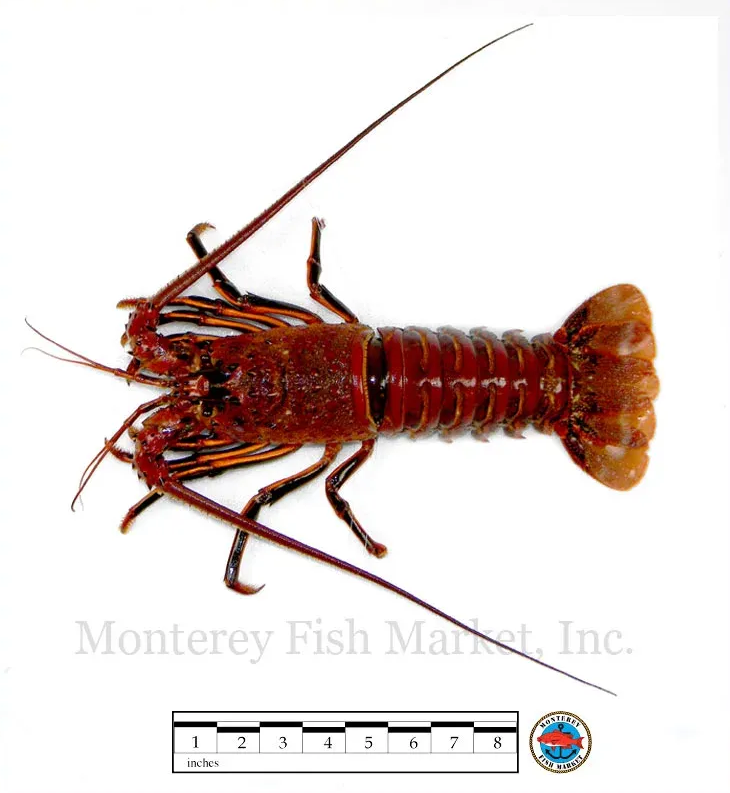
Panulirus interruptu
Unlike American lobster, Spiny Lobsters have no large claws—almost all of the meat is in the tail and body. The flavor is sweet, clean, and slightly briny, with a firm, snappy texture that holds up beautifully on the grill, under the broiler, or in rich sauces and pastas.
Range
Central California to the Pacific Coast of Mexico and the Sea of Cortez
Method of Capture
Trap, with self-deteriorating lobster escape ports
Seasonality
October - March
Size Range
3.25 inches or longer carapace
Sustainability Consideration:
Spiny Lobster fisheries are heavily regulated by region, with size limits, closed seasons, and protections for egg-bearing females designed to keep stocks healthy over time. Trap and dive fisheries are relatively selective, with limited bycatch and minimal seafloor impact compared to heavy mobile gear.
Monterey Fish Market pays close attention to origin and management—favoring well-regulated trap and dive fisheries and reputable packers—so Spiny Lobster remains a responsible, premium option rather than a stressed resource.
Flavor & Texture:
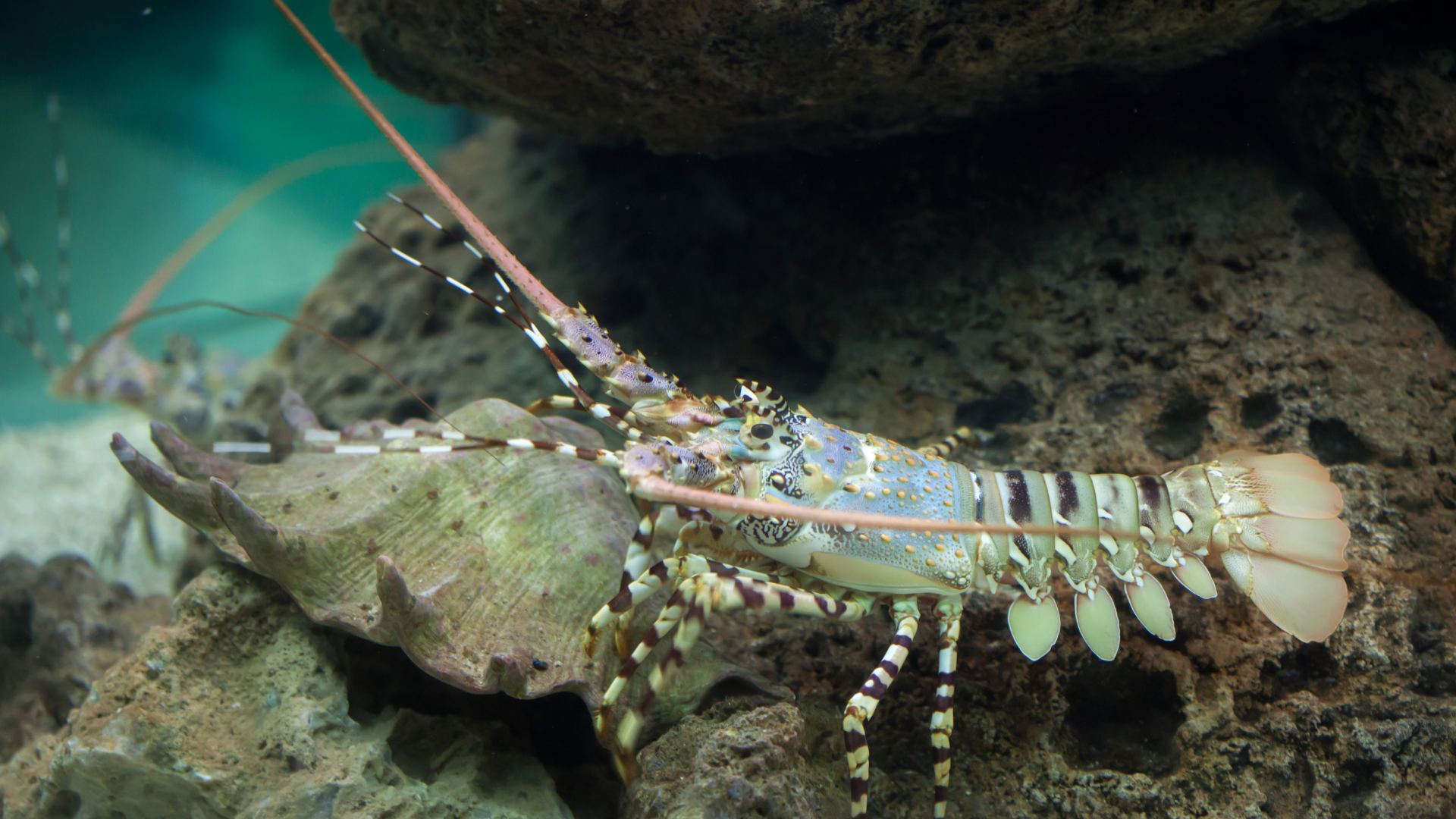
- Flavor: Sweet, clean, and mildly briny, with a rich lobster character that’s slightly different from American lobster—often described as a bit more “pure” and less overtly rich
- Texture: Firm, dense, and pleasantly snappy, especially in the tail, which stands up well to grilling, broiling, and robust sauces
It’s an excellent choice when you want lobster meat that can handle bold flavors and high heat.
Seafood Cooking Tips
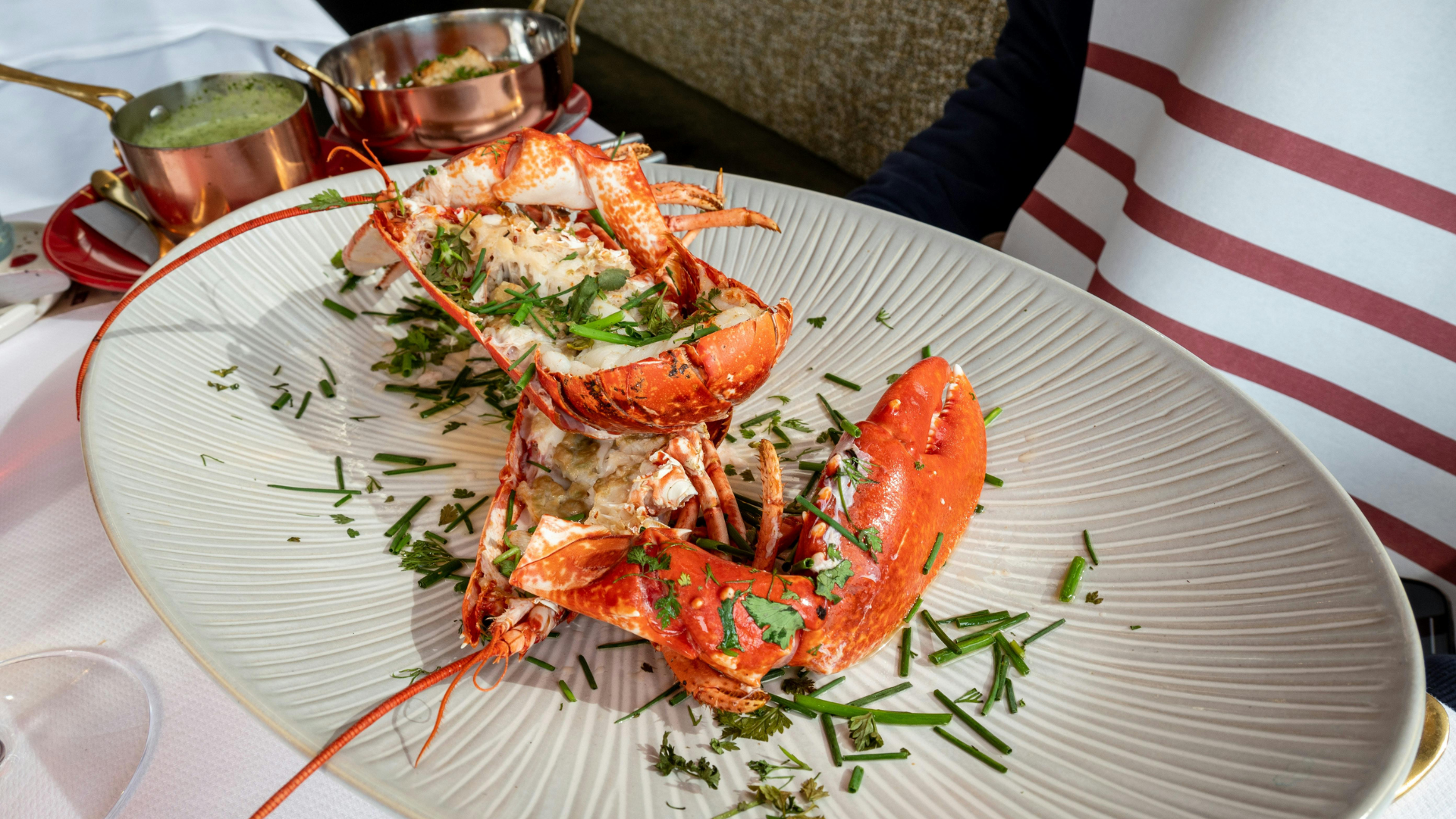
Most Spiny Lobster preparations start by splitting or butterflying the tail:
- Grill – Brush split tails with oil or butter, season simply, and grill shell-side down, finishing with a brief kiss of direct heat; serve with lemon, herbs, or garlic butter.
- Broil / roast – Broil or oven-roast in the shell with butter, garlic, and herbs until just opaque.
- Poach & butter-baste – Gently poach or steam, then finish in warm butter or olive oil for rolls, tacos, or pasta.
- Stew / curry / pasta – Add chopped tail meat near the end of cooking in stews, curries, or pasta sauces so it just sets and stays tender.
As with American lobster, avoid overcooking: once the meat turns opaque and just firms up, it’s ready. Overdoing it will make the texture tough rather than pleasantly springy.
Want This On Your Menu or Table?
For current availability, pricing, and prep ideas, get in touch with our team. We’re happy to help you decide what will work best for your menu or home kitchen.