
Blood Clam
Anadara tuberculosa (Patas de Mula)
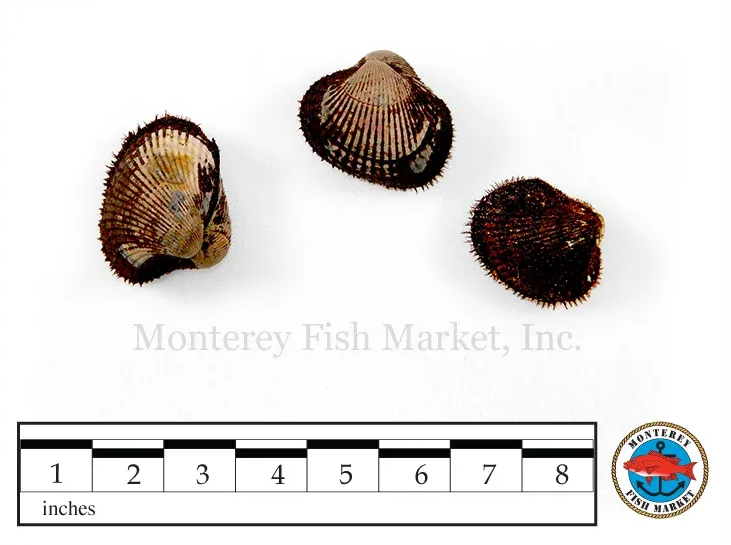
A dark-shelled clam known for its red, iron-rich liquor, Blood Clam is prized in parts of Latin America and Asia for its rich, briny, sweet flavor and firm, chewy bite. In the eastern United States it’s more of a novelty than an everyday shellfish.
Range
World-wide
Method of Capture
Farmed and Dredged
Seasonality
Year-round
Size Range
1 to 2 inches
Sustainability Consideration:
Blood Clams come with some important caveats:
- Over-fishing has occurred in some areas, stressing local stocks.
- Poorly managed farming operations in parts of Asia have been associated with water-quality and health concerns when product isn’t handled or cooked correctly.
- On the eastern coast of the United States, Blood Clams are still considered a novelty item, not a staple in the local seafood mix.
As always, Monterey Fish evaluates source, handling, and inspection carefully when deciding what to bring in.
Flavor & Texture:
Blood Clams are for people who like bold shellfish:
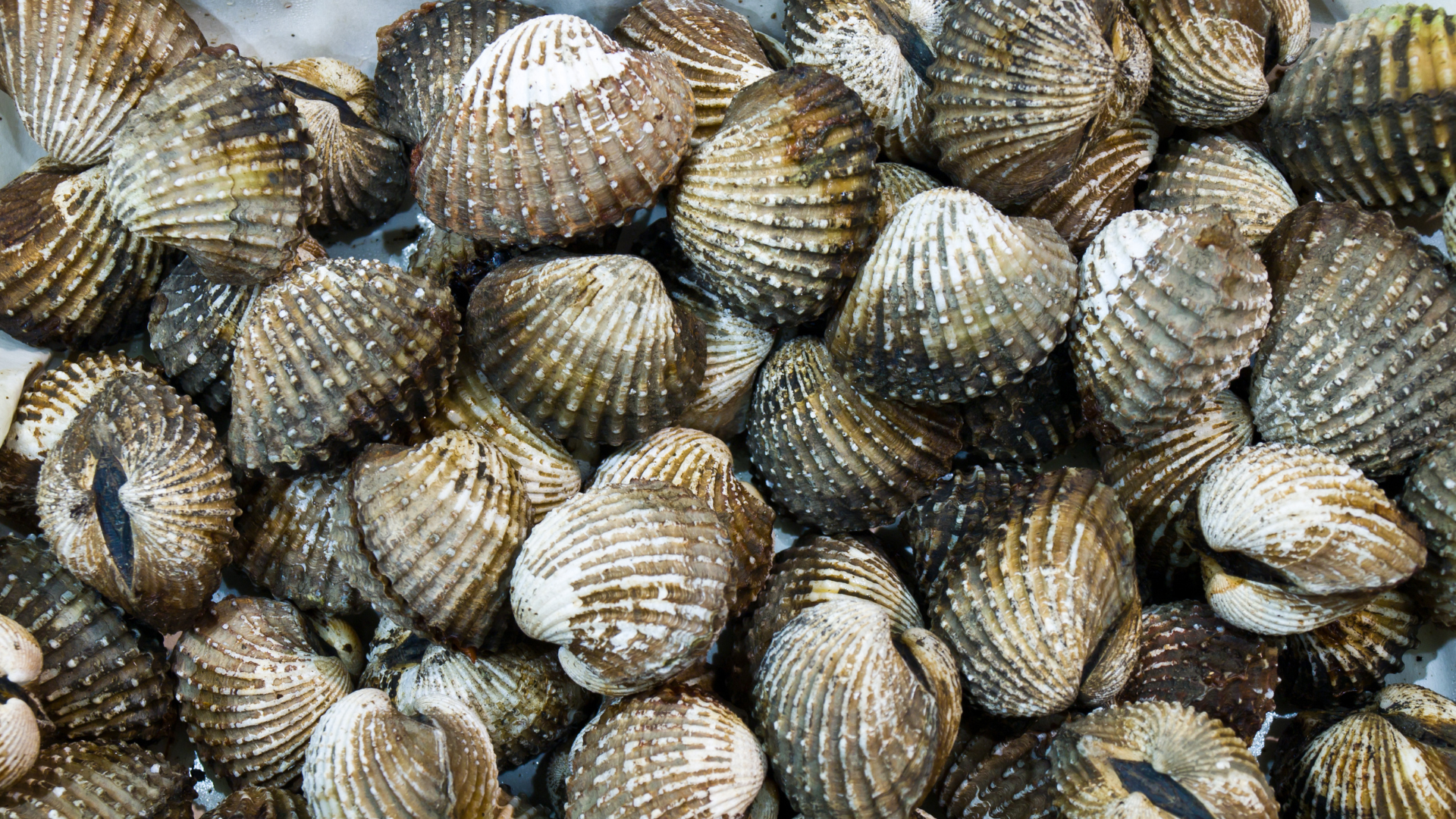
- Flavor: Rich, briny, and sweet, with a strong, savory mollusk character
- Texture: Firm and chewy, with plenty of “bite” rather than a delicate, melting feel
Seafood Cooking Tips
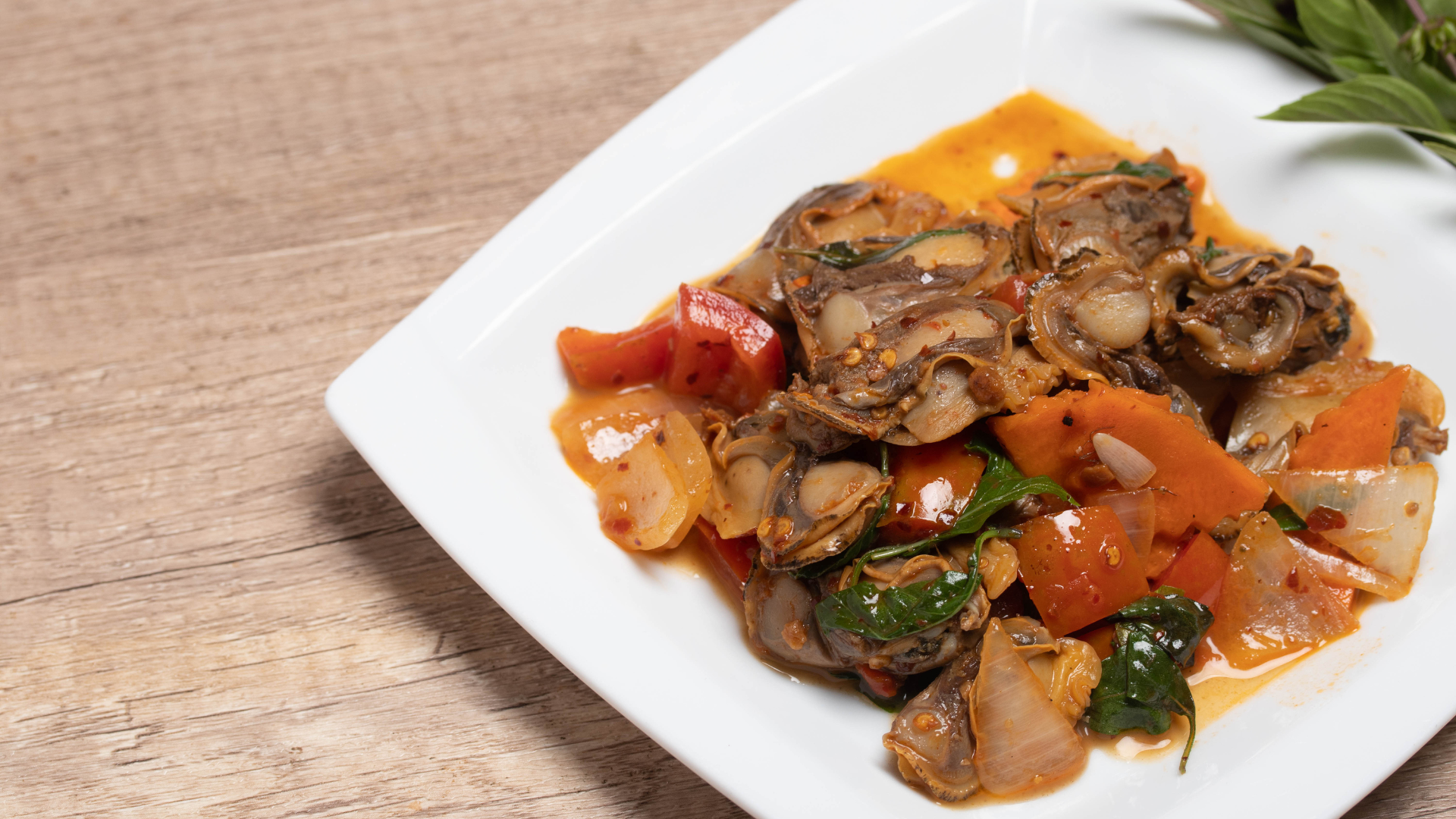
Blood Clams are popular in raw and lightly cooked preparations, especially in Latin American and Asian cuisines:
- Raw (where allowed & properly handled) – Served on the half shell with citrus, chile, or herbs in places where local health rules and careful handling allow it.
- Lightly pickled or marinated – Brief cures in vinegar or citrus with onions, chiles, and herbs.
- Steamed – Quickly steamed just until the shells open, then dressed simply.
- “Acid-cooked” / ceviche-style – A staple in some Peruvian ceviches, where the clam’s natural richness stands up to lime, chile, and fresh vegetables.
Because Blood Clams can carry higher microbial risk if mishandled, good sourcing, cold-chain care, and proper cooking or marinating practices are critical—especially outside the regions where they’re traditionally eaten.
Want This On Your Menu or Table?
For current availability, pricing, and prep ideas, get in touch with our team. We’re happy to help you decide what will work best for your menu or home kitchen.